The moment you notice your little one staring at a single color or refusing to share a toy, your mind might race to the question: When should I start behavioral therapy for toddlers with autism signs? This article walks you through the science, the timing, and the practical steps—so you can make an informed decision Clinical psychologist without the overwhelm that often accompanies early childhood concerns.
The Early Years: A Critical Window
In the first two years of life, the brain is a sponge, soaking up experiences at a rate that would make a toddler’s imagination jealous. This rapid growth is why experts call it the “golden period” of intervention. If you’re wondering whether a few months of delay is a red flag, remember that early intervention can be the difference between a child learning to communicate and one struggling to connect with the world.
Why Timing Matters
- Brain plasticity peaks in the first 24 months, allowing new neural pathways to form with relative ease. Early therapy can reduce the severity of later challenges, such as speech delays or social anxiety. Parents who act promptly often report a smoother transition into school settings.
Common Signs to Watch For
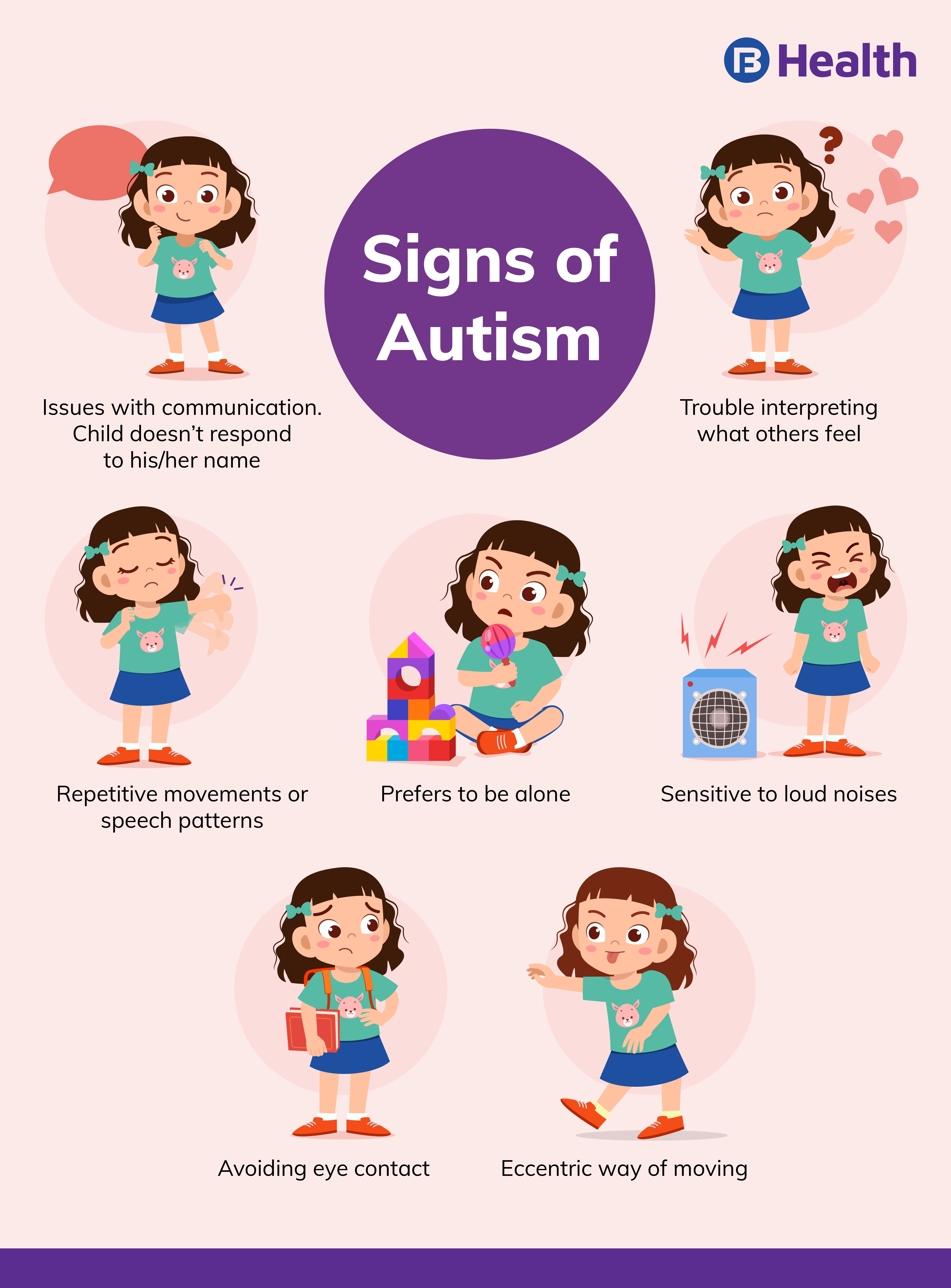
- Limited eye contact or avoidance of looking at faces. Delayed babbling or lack of single-word speech by 12 months. Repetitive behaviors (hand-flapping, spinning objects) that persist beyond typical developmental stages. Strong preference for routine that becomes rigid or distressing when altered.
If your child exhibits one or more of these signs, it may be time to consider behavioral therapy. But remember, each child is unique—what works for one might not for another.
Understanding Behavioral Therapy
Behavioral therapy, often rooted in Applied Behavior Analysis (ABA), focuses on teaching skills through reinforcement and reducing problematic behaviors. It’s not a one-size-fits-all solution, but a structured approach that adapts to each child’s needs.

Key Components
- Positive reinforcement: rewarding desirable behaviors to encourage repetition. Task analysis: breaking complex tasks into smaller, manageable steps. Data collection: tracking progress to adjust strategies as needed.
What to Expect in the First Sessions
- A thorough assessment of your child’s current skills. Development of an individualized behavior plan. Collaboration with caregivers to integrate strategies at home.
It’s not just a therapist’s job; it’s a partnership. And yes, that partnership can feel like a dance—sometimes you lead, sometimes you follow.
When to Start: A Practical Timeline
The question When should I start behavioral therapy for toddlers with autism signs? can be answered with a simple rule of thumb: the sooner, the better. However, “sooner” can be vague, so let’s break it down.
0–12 Months: The Early Glimpse
- Screening: Many pediatricians use tools like the Ages and Stages Questionnaire (ASQ) or the Modified Checklist for Autism in Toddlers (M-CHAT). Consultation: If a screening tool flags concerns, schedule a developmental evaluation with a pediatric specialist.
12–24 Months: The Decision Point
- Evaluation results: A formal diagnosis often comes around 18–24 months. Therapy initiation: Once diagnosed, begin behavioral therapy within the first 3–6 months of the diagnosis.
24–36 Months: Building Momentum
- Intensification: Increase therapy frequency if progress stalls. Family training: Equip parents with tools to reinforce learning at home.
36+ Months: Transition and Maintenance
- School readiness: Prepare for kindergarten or preschool with social skills training. Continued support: Maintain therapy to solidify gains and address emerging challenges.
Remember, these timelines are guidelines. If you notice a red flag before 12 months, don’t wait for a formal diagnosis—consult a pediatrician immediately. Early intervention is not a luxury; it’s a necessity.
A Real-World Snapshot: Maya’s Journey
Maya was 14 months old when her mother, Jenna, noticed that Maya would stare at a blue toy for hours and ignore other toys. Jenna scheduled a developmental screening, and the pediatrician referred her for an evaluation. Within two weeks, Maya received a diagnosis of autism spectrum disorder. By the time Maya turned 18 months, she had begun behavioral therapy. Six months later, she was using three-word sentences and showing increased eye contact.
“Seeing Maya’s progress made me Referral to specialist realize that early therapy is like planting a seed—you only see the flowers if you water it early,” Jenna reflects. Her anecdote underscores the importance of acting promptly.
The Cost of Delay: What Happens When You Wait?
Waiting can have tangible consequences:
- Increased behavioral challenges: Repetitive behaviors may solidify into habits that are harder to change later. Social isolation: Delayed communication skills can lead to frustration and withdrawal. Higher long-term costs: Early intervention often reduces the need for intensive services later, saving families money and stress.
Ask yourself: Is waiting worth the risk of a slower developmental trajectory? Most parents answer no.
Practical Steps to Get Started
If you’re ready to move forward, here’s a streamlined action plan:
Making Your Selection Count
Choosing the right therapist or program can feel like navigating a maze. Use these criteria to guide your decision:
- Credentials: Look for Board Certified Behavior Analysts (BCBAs) or equivalent qualifications. Experience with toddlers: Early childhood expertise matters. Family involvement: Therapists should offer training and support for caregivers. Communication style: Clear, compassionate communication builds trust.
A quote that resonates with many parents is from Dr. Lorna Wing: “Early intervention is not a luxury; it is a necessity.” This sentiment reminds us that the timing of behavioral therapy can set the trajectory for a child’s future.
When you start early, you’re not just helping your child acquire skills—you’re investing in a brighter, more connected tomorrow. Take that first step today, and watch the transformation unfold.